Bryce Canyon: 7,500 Stars Over the Hoodoos
Certified International Dark Sky Park. The oldest astronomy program in the National Park Service. A limiting magnitude of 7.4 — dark enough that the Milky Way casts shadows. And the only place on Earth where all of it happens above an amphitheater of stone spires.
How Dark Is Bryce Canyon, Really?
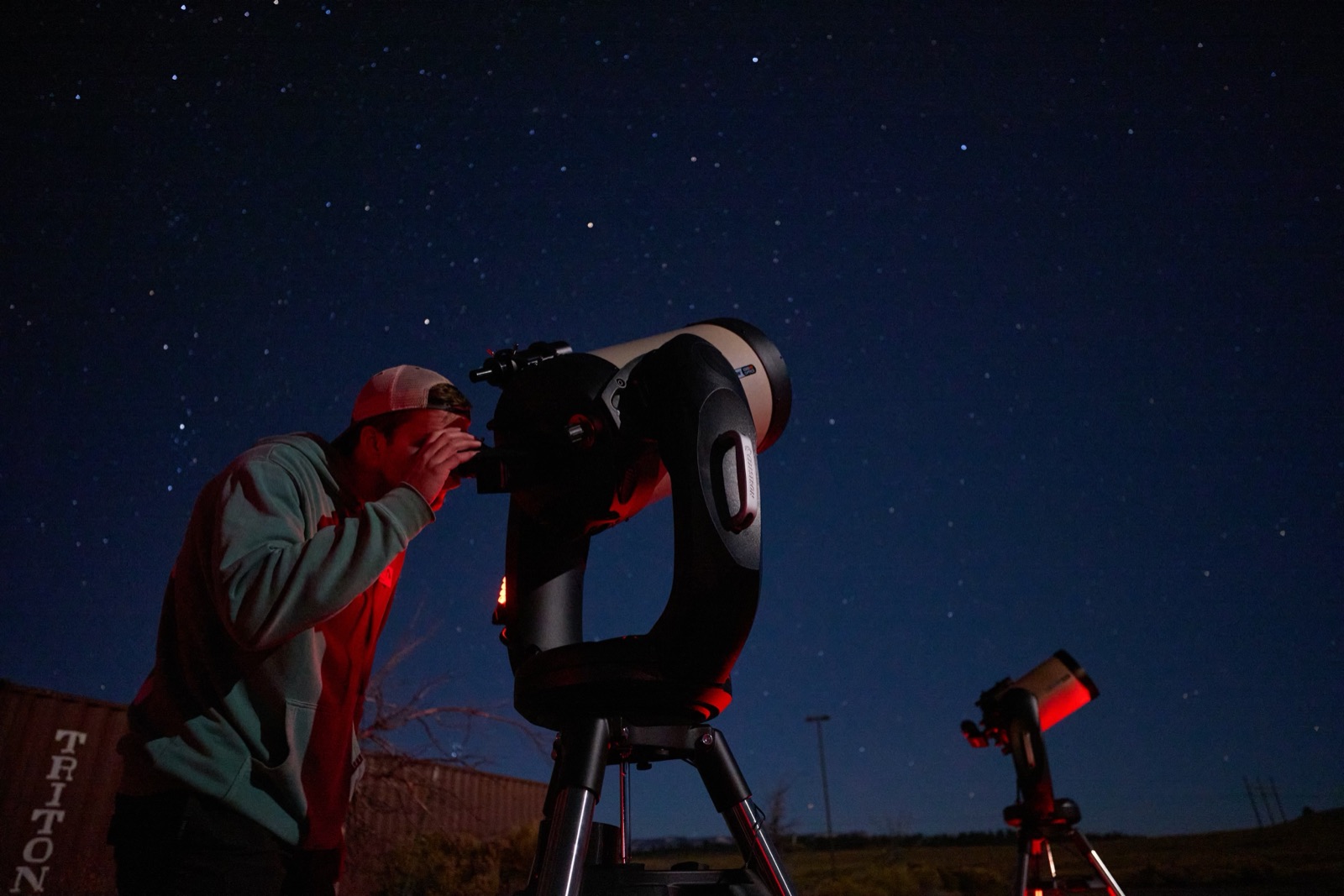
Bryce Canyon was certified as an International Dark Sky Park in June 2019, but the designation only formalized what astronomers had known for decades. On a clear, moonless night, the limiting magnitude at Bryce reaches approximately 7.4 — meaning stars two and a half times fainter than the textbook naked-eye limit of 6.5 are visible. In practical terms, that's around 7,500 stars overhead, compared with a few hundred from a typical suburb and a few dozen from a city center.
At that level of darkness, the sky stops being a backdrop and becomes terrain. The Milky Way's central bulge shows dust lanes and structure. The Andromeda Galaxy — 2.5 million light-years away — is plainly visible without optics. The zodiacal light, a glow of interplanetary dust most people have never heard of because they've never been somewhere dark enough to see it, appears regularly after dusk. On the Bortle scale, Bryce rates a class 2: the second-darkest category that exists.
| Metric | Bryce Canyon | Typical Suburb | City Center |
|---|---|---|---|
| Bortle class | 2 | 5–7 | 8–9 |
| Limiting magnitude | 7.4 | 4–5 | 2–3 |
| Stars visible (approx.) | 7,500 | 200–500 | ~20 |
| Milky Way visible | Dust lanes + core | Faint band | Absent |
| Elevation | 8,000–9,100 ft | Variable | Variable |
Why Elevation and Geometry Matter
Two physical accidents make Bryce special among even Utah's elite dark parks. The first is elevation. The rim runs from about 8,000 to 9,100 feet, which puts observers above roughly a quarter of the atmosphere's mass and most of its water vapor and aerosols. Stars twinkle less, faint objects punch through more cleanly, and transparency on a dry night approaches what professional observatories chase.
The second is the amphitheater itself. Bryce isn't actually a canyon — it's a series of natural amphitheaters eroded into the edge of the Paunsaugunt Plateau, filled with thousands of limestone hoodoos. At night, this geometry does something no other dark sky site can: it gives the sky a foreground. The Milky Way doesn't just arc over a flat horizon; it rises out of a labyrinth of stone spires that glow faintly even by starlight. Photographers cross oceans for this single composition. From the rim, you simply turn your head.
The Oldest Astronomy Program in the Park Service
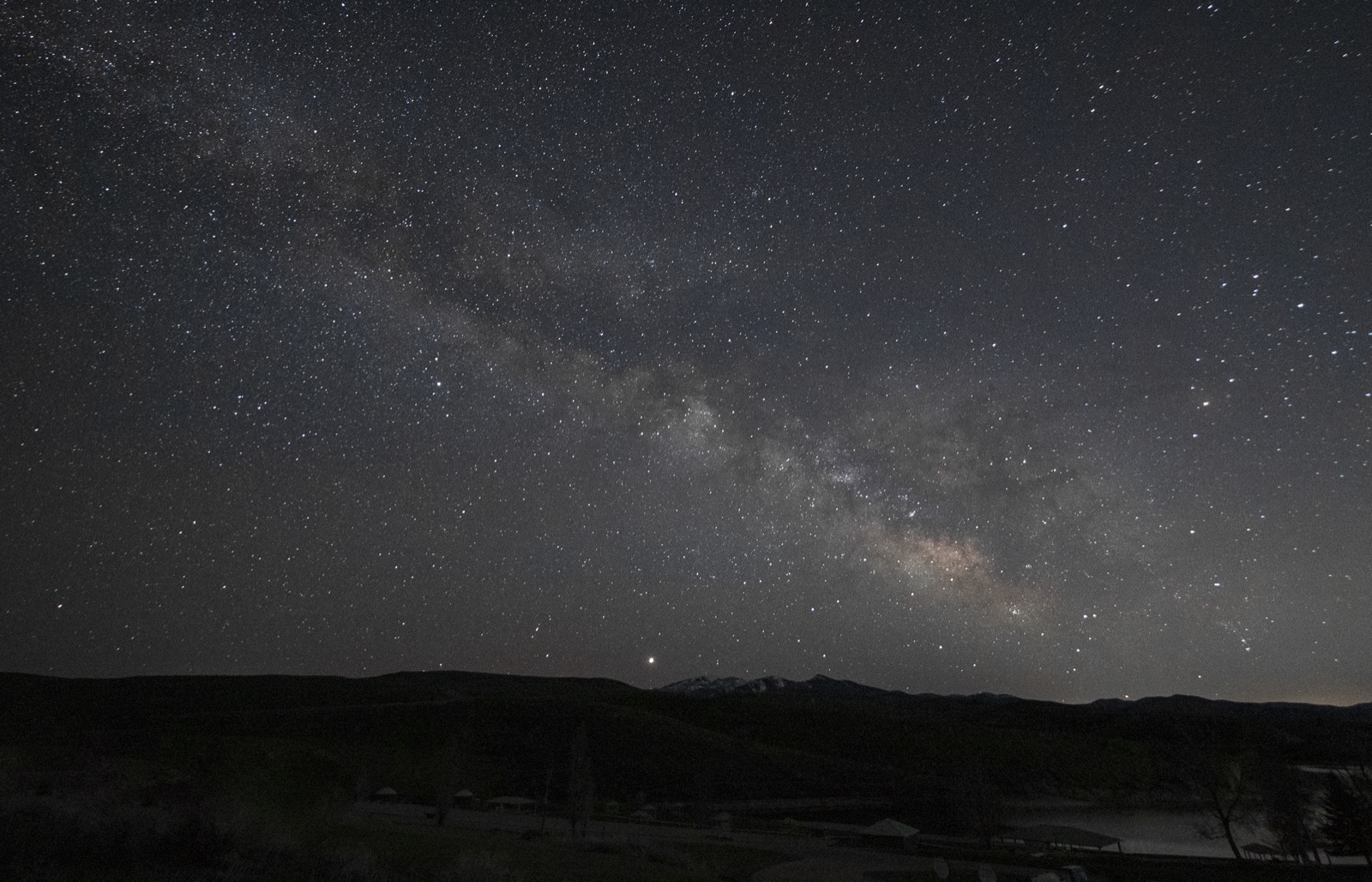
Bryce Canyon has been showing visitors the night sky since 1969 — the oldest continuously running astronomy program in the National Park Service. Today the park hosts more than 100 ranger-led astronomy programs a year, supported by a corps of telescope-equipped volunteers, and its rangers helped write the playbook other parks now use for night-sky interpretation.
The flagship event is the Annual Astronomy Festival each June: four nights of telescope fields, speakers, solar viewing by day, and constellation tours, timed near the new moon. It's one of the best free astronomy events in the country — and it books the surrounding lodging out months ahead, so plan early using our trip planning guide.
"The Milky Way doesn't just arc over a flat horizon; it rises out of a labyrinth of stone spires that glow faintly even by starlight."
— Utah Dark Sky ToursWhat a Guided Night at Bryce Looks Like
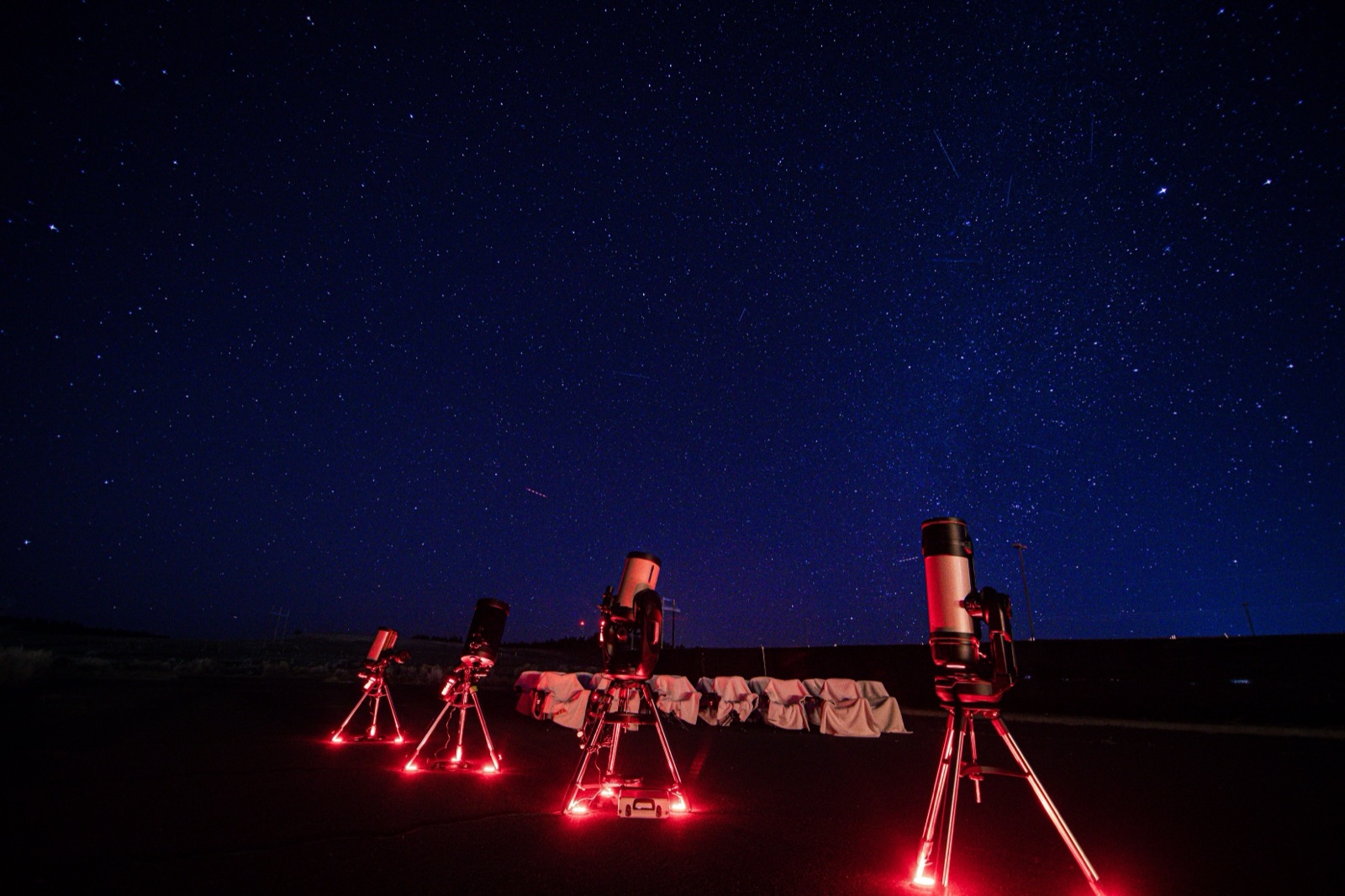
A guided session with Bryce Canyon Stargazing is built around the three things you can't easily do alone, which we break down fully in our guided vs. DIY comparison: large-aperture telescope viewing of planets, clusters, nebulae, and galaxies; a laser-guided tour that teaches you the actual layout of the sky; and interpretation from guides who work under this sky every night. You show up; the dark-sky logistics — siting, safety, dark adaptation, equipment — are handled.
Because the operator is based at the park's doorstep, tours run year-round. That matters more than people expect: winter at Bryce brings the steadiest, most transparent skies of the year, snow-dusted hoodoos under Orion, and almost no crowds.
Seeing It Yourself: The Practical Notes
- Best season: May through September for the Milky Way core; December through February for maximum clarity and Orion. Full month-by-month detail in the stargazing calendar.
- Moon: Aim within a week of the new moon. This is the single most important planning decision you'll make.
- Where to stand: Sunset Point, Inspiration Point, and Bryce Point all face the amphitheater. Rangers and guides choose nightly based on conditions.
- Temperature: Expect 30–40°F drops after dark at this elevation. A July night can hit the low 40s; winter nights go well below zero. Bring more layers than feels reasonable.
- Dark adaptation: Twenty minutes minimum, red light only. One white phone screen resets the clock.
The Best Night Sky in America, With a Guide
Telescopes, laser constellation tours, and expert interpretation under Bryce Canyon's certified Bortle 2 sky. Tours run year-round and sell out around new moons and the June festival.
Check Availability at Bryce Canyon StargazingHow Bryce Compares to Utah's Other Dark Parks
Capitol Reef measures marginally darker. Cedar Breaks sits higher. Canyonlands is emptier. None of it changes the verdict in our full park rankings: Bryce is the only Utah park that combines an elite certified sky, a half-century-old astronomy culture, year-round guided telescope tours, and lodging within minutes of the rim. For a first real dark-sky experience — or the one you're flying in for — it isn't a close call. Questions before you book? Start with the FAQ.