Utah Dark Sky Stargazing: Frequently Asked Questions
The questions first-time dark sky travelers actually ask — about Bortle ratings, moon phases, cold nights, kids, telescopes, and whether a guide is worth it — answered without fluff.
These answers come from the same research behind our park rankings and reflect International Dark-Sky Association certifications and National Park Service data. Where a question involves judgment — like whether a guided tour is worth it — we give you the honest version, including when the answer is no.
Why does Utah have so many dark sky parks? +
Geography and effort. Utah combines high elevation (5,000–9,000+ feet), dry air, more than 200 clear nights a year, and enormous stretches of public land far from major cities. On top of that, its parks and even whole towns invested in compliant lighting and astronomy programming to earn certification. The result: around 25 certified International Dark Sky Places — the highest concentration anywhere on Earth.
What is the Bortle scale? +
A nine-level rating of night-sky darkness, from class 1 (pristine wilderness sky) to class 9 (inner city). Most Americans live under Bortle 5–8. Utah's premier dark parks rate 1–2, where the Milky Way shows real structure and several thousand stars are visible at once. We list ratings for every major site in our park rankings.
Which Utah park is best for stargazing? +
For raw measured darkness: Capitol Reef, by a hair. For the best overall experience: Bryce Canyon, and it isn't close — a Bortle 2 sky at 8,000–9,100 feet, the oldest astronomy program in the National Park Service, more than 100 night programs a year, the June Astronomy Festival, and professional guided telescope tours operating right at the park entrance.
When is the best time of year? +
Milky Way core season runs May through September. June adds Bryce's Astronomy Festival; August adds the Perseid meteor shower. Winter is the sleeper pick: December–February air is the clearest of the year, and the Geminids in mid-December are the strongest shower of all. The full breakdown is in our month-by-month calendar.
Do I need a telescope? +
No — the naked-eye sky is the headline act at a Bortle 2 site. But a serious telescope transforms the night: Saturn's rings, Jupiter's moons, globular clusters, galaxies. Since most visitors will never own a large-aperture instrument, tours that provide them deliver views you simply can't get otherwise. That's the core of the guided vs. DIY question.
Is a guided tour actually worth it? +
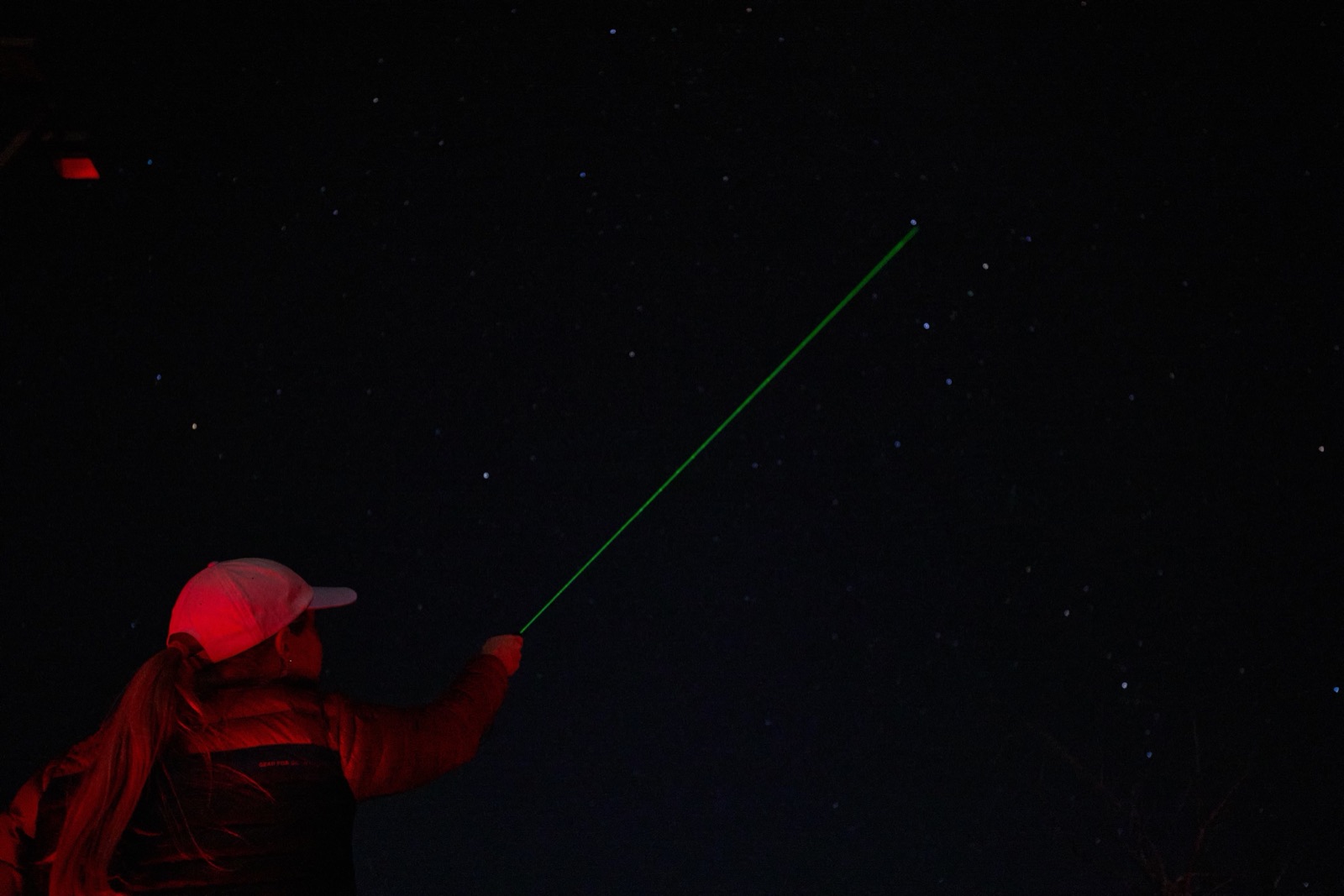
For first-timers, families, and anyone without equipment: yes. You get professional telescopes, a laser constellation tour that teaches you the sky in one evening, safe night logistics, and interpretation that makes the views mean something. For experienced observers with their own gear, DIY in a park like Capitol Reef is a great choice. We make both cases honestly here.
How much does the moon matter? +
More than the park, the season, or the weather forecast. A full moon erases the Milky Way from even the darkest certified sky. Book within about seven days of the new moon; a thin crescent that sets early is harmless. Our trip planning guide covers the exact windows.
How cold does it get at night at Bryce? +
Colder than almost everyone expects. The rim sits above 8,000 feet, and temperatures routinely drop 30–40°F after sunset: low 40s on a July night, well below zero in winter. Standing at a telescope feels colder than hiking. Insulated jacket, hat, and gloves — every month, no exceptions.
Can kids come stargazing? +
Yes, and they tend to remember it longer than anything else on the trip. Laser-guided constellation tours are practically designed for children, and a first look at Saturn through a real telescope is a core memory in the making. Dress them warmly, accept the late bedtime, and check age guidance with the tour operator when booking.
Is winter stargazing worth the cold? +
It's the connoisseur's season. The driest, steadiest air of the year, Orion and the winter Milky Way overhead, the Geminids in December, snow on the hoodoos, and nearly empty parks. The logistics get serious at subzero temperatures, which is exactly when a guided tour — warm logistics handled, equipment provided — earns its keep most.
Can I really see the Milky Way with the naked eye? +
In Utah, on a moonless night between May and September, you can see it the way your ancestors did: a bright, structured band with visible dust lanes, rising out of the southern horizon. At Bryce Canyon's limiting magnitude of 7.4, it's bright enough to cast faint shadows. Give your eyes 20 minutes of darkness and keep your phone in your pocket.
What should I bring on a tour? +
Warm layers beyond what the daytime forecast suggests, a red-light headlamp, water, and snacks. Leave white flashlights at the hotel — a single bright screen costs the whole group 20–30 minutes of night vision. On a guided tour the telescopes, lasers, and expertise are provided; your only jobs are showing up on time and dressing warmly.
Ready When the Sky Is
Bryce Canyon Stargazing answers the rest in person — under 7,500 stars, with telescopes pointed at the answers.
Book a Guided Stargazing TourStill Planning?
Start with the park rankings to choose your destination, time it with the stargazing calendar, and nail the logistics with the trip planning guide. When you're ready for the night itself, Bryce Canyon Stargazing handles everything from there.