Planning Your Utah Dark Sky Trip
A dark sky trip fails for boring reasons: a bright moon, a cold snap you didn't pack for, a base town an hour from the rim. All of it is avoidable. Here's how experienced dark-sky travelers actually plan a Utah trip, decision by decision.
Decision 1: Plan Around the Moon, Then Everything Else
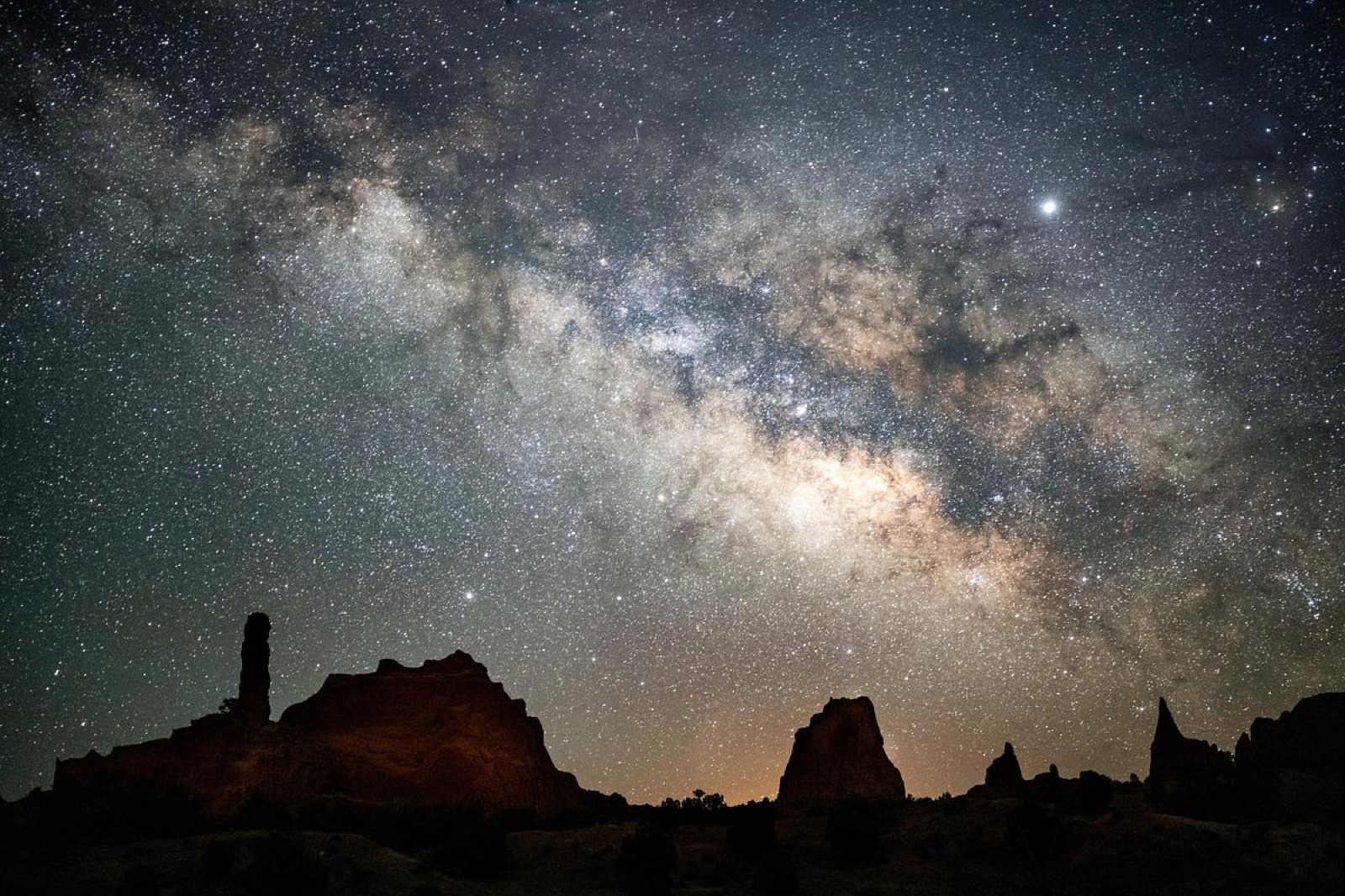
This is the rule that outranks every other choice, including which park you visit. A full moon is roughly 25,000 times brighter than the brightest star; under one, even a certified Bortle 2 sky shows little more than a suburban backyard. The Milky Way disappears entirely.
The practical rule: book your stargazing nights within about seven days of the new moon. Inside that window, the moon is either absent or a thin crescent that sets early (waxing) or rises late (waning). A few refinements:
- Waxing crescent (1–4 days after new): the best of both — a beautiful crescent at dusk that sets early, leaving the rest of the night fully dark.
- Waning window (last quarter to new): dark evenings with the moon rising after midnight; ideal for normal tour hours.
- Avoid: the five days either side of full moon, unless your goal is a moonlit landscape hike rather than stars.
Check any lunar calendar before you book anything else — flights included. Then choose your month with the stargazing calendar: Milky Way core season runs May–September, the Perseids peak in August, the Geminids in December.
"A dark sky trip fails for boring reasons: a bright moon, a cold snap you didn't pack for, a base town an hour from the rim. All of it is avoidable."
— Utah Dark Sky ToursDecision 2: Respect the Elevation and the Weather
Utah's best dark sites are high. Bryce Canyon's rim sits at 8,000–9,100 feet; Cedar Breaks tops 10,000. That altitude is why the skies are so transparent — and it has consequences:
- Temperature drop: expect a 30–40°F fall after sunset. A 75°F July afternoon becomes a 40°F midnight. Pack a winter-weight layer for any month, plus a hat and gloves; standing still for two hours is far colder than hiking.
- Altitude effects: if you're arriving from sea level, hydrate aggressively and take the first day easy. Headaches at 8,000+ feet are common and ruin night sessions.
- Monsoon season (mid-July–early September): afternoon thunderstorms that usually clear by dark, often leaving exceptionally clean air. Build a spare night into your itinerary as weather insurance — one extra night roughly doubles your odds of a clear, dark sky.
- Winter: the clearest skies of the year, with subzero potential. Doable and spectacular, but this is the season where a guided tour most clearly beats DIY — logistics get serious.
Decision 3: Where to Base Near Bryce
For the Bryce Canyon area — the anchor of most Utah dark-sky itineraries — three towns make sense:
| Base Town | Distance to rim | Trade-off |
|---|---|---|
| Bryce Canyon City | ~5 min | Maximum convenience; limited choice, peak prices, books out early |
| Tropic | ~15 min | Good spread of motels and restaurants; slightly lower, warmer elevation |
| Panguitch | ~25–30 min | Widest lodging/food options, best value; also well-placed for Cedar Breaks and Highway 12 |
Decision 4: Combining Parks Without Wrecking the Trip
Utah's density of certified places — see the full rankings — tempts people into five-parks-in-five-nights itineraries. Resist. Stargazing happens at night; driving all day then observing all night breaks people by day three. Two proven patterns:
- The hub (5–6 nights): base near Bryce. Hike the amphitheater by day, take a guided tour the first clear dark night, DIY the rim after that, and day-trip to Cedar Breaks (90 minutes) for a high-altitude star party in summer. One unpacking, two world-class skies.
- The Highway 12 arc (7–9 nights): Bryce (3 nights) → Scenic Byway 12 over Boulder Mountain → Capitol Reef and gold-tier darkness (2–3 nights) → optionally on to Goblin Valley or the Moab cluster (Canyonlands, Dead Horse Point, Arches). This is the best dark-sky road trip on the continent — in core season, near a new moon, it's untouchable.
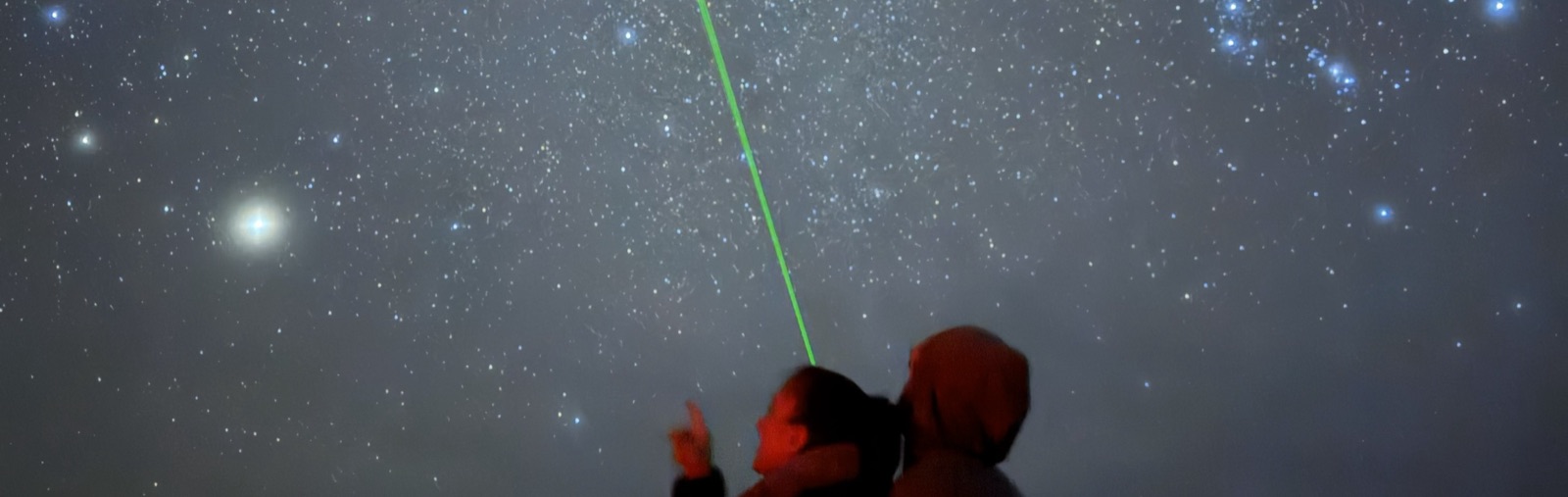
Either way, schedule your guided Bryce tour for the first clear night of the trip, not the last. It front-loads the learning — after a laser constellation tour, every later DIY night gets better — and it leaves you re-booking room if weather interferes.
The Packing Short List
- Insulated jacket, warm hat, gloves — every month of the year
- Headlamp with a red mode (and the discipline to keep it on red)
- Camp chair or pad — necks last longer lying back
- Thermos, water, and snacks; nothing in the parks is open at midnight
- Binoculars if you own them — under a Bortle 2 sky, even 8×42s reveal star fields city dwellers won't believe
Lock In the Night That Anchors the Trip
Build your itinerary around a guided night at Bryce Canyon — telescopes, laser sky tour, and guides who handle the cold-weather logistics for you. New-moon dates go first.
Reserve Your Bryce Canyon TourFinal Checklist
New-moon window chosen. Month picked from the calendar. Base town booked in Bryce Canyon City, Tropic, or Panguitch. Spare weather night built in. Guided tour reserved for night one with Bryce Canyon Stargazing. Warm layers packed. Remaining questions live in the FAQ. That's the whole formula — the sky does the rest.