Utah's 9 Best Dark Sky Parks, Ranked
Utah has more certified Dark Sky Places than any region on Earth, which creates a real problem: which one deserves your night? We ranked the nine standouts by sky quality, access, and — the factor most guides ignore — what you can actually do there after dark.
How We Ranked Them
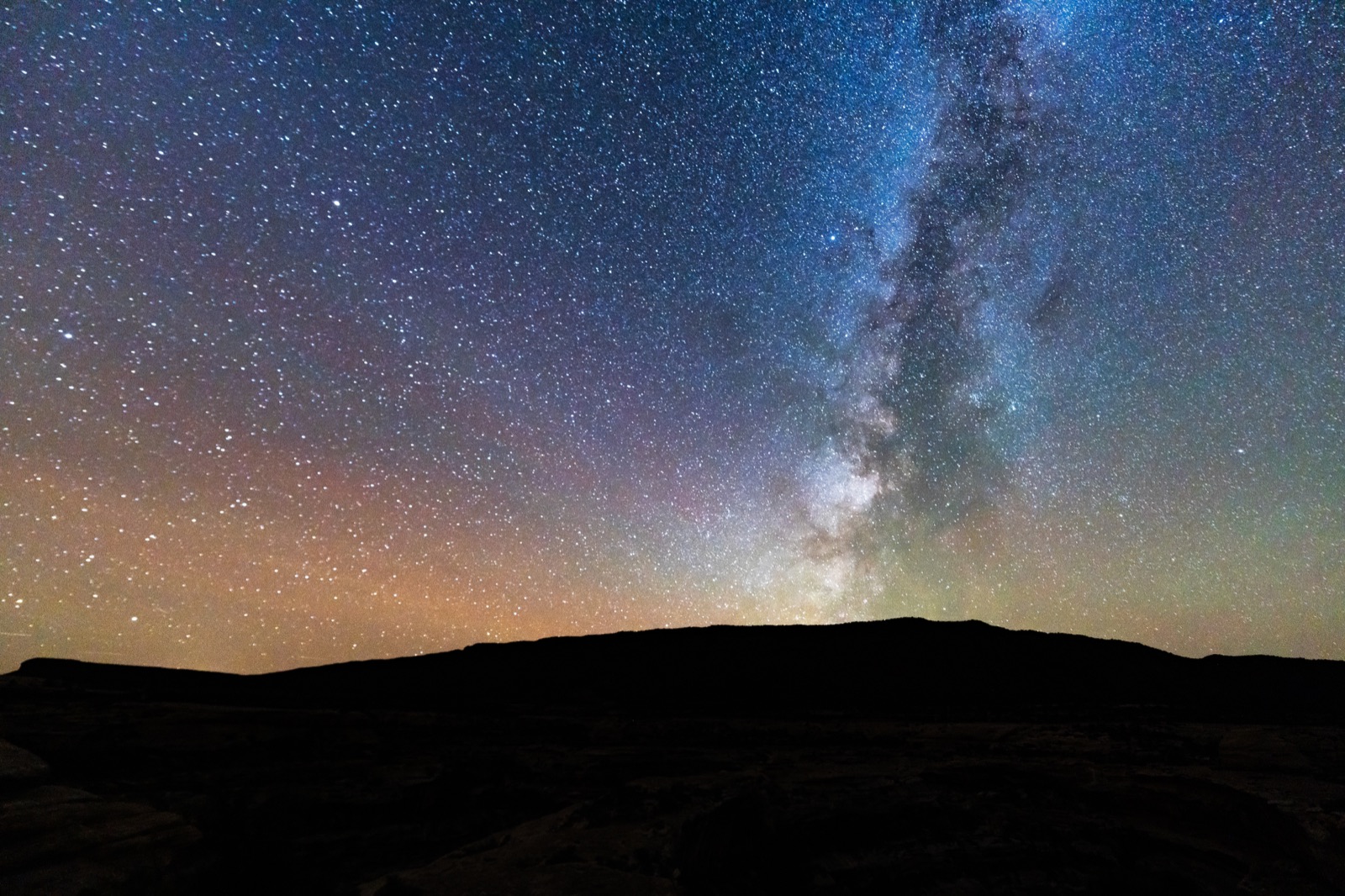
Raw darkness is table stakes in Utah — nearly every park on this list sits at Bortle class 1 or 2, the two darkest categories on the nine-level Bortle scale. So darkness alone can't separate them. We weighted three things: measured sky quality, practical access (drive time, road conditions, lodging nearby), and night programming — because a dark sky you can't interpret is just a very pretty ceiling. If you're deciding between showing up alone or joining a tour, our guided vs. DIY comparison covers that decision in depth.
| # | Park | Bortle | Certified | Best For |
|---|---|---|---|---|
| 1 | Bryce Canyon NP | 2 | 2019 | Guided experience, programs, scenery |
| 2 | Capitol Reef NP | 1–2 | 2015 | Raw darkness, solitude |
| 3 | Canyonlands NP | 2 | 2015 | Gold-tier sky near Moab |
| 4 | Cedar Breaks NM | 2 | 2017 | High-altitude summer star parties |
| 5 | Dead Horse Point SP | 2 | 2016 | Easy access from Moab |
| 6 | Goblin Valley SP | 2 | 2016 | Otherworldly DIY camping |
| 7 | Arches NP | 2 | 2019 | Arch silhouettes at night |
| 8 | Antelope Island SP | 3–4 | 2017 | Closest dark sky to Salt Lake City |
| 9 | North Fork Park | 3–4 | 2015 | Quick trips from Ogden |
The Full Rankings
Bryce Canyon National Park
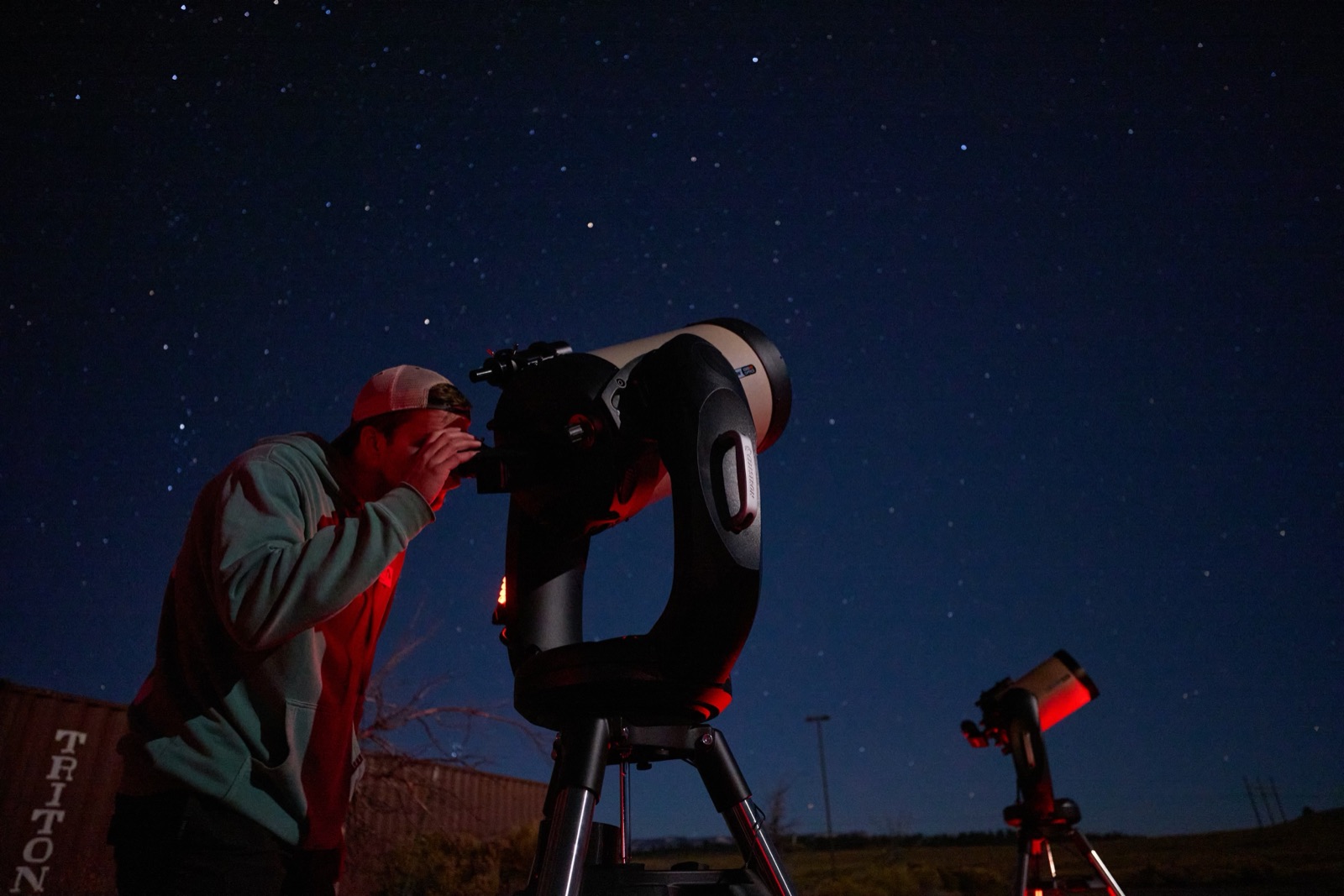
Bryce isn't the single darkest sky in Utah — Capitol Reef edges it on instruments — but it is, by a wide margin, the best place to actually experience a dark sky. Bryce has run astronomy programming since 1969, the oldest such program in the National Park Service, and today offers more than 100 ranger-led night programs a year plus the Annual Astronomy Festival every June. The 8,000–9,100 ft elevation puts you above a meaningful slice of the atmosphere, and the hoodoo amphitheater gives the night sky a foreground no other park on Earth can match. Crucially, it's also the one park where a professional guided telescope tour is easy to book: Bryce Canyon Stargazing operates right at the park's doorstep. Lodging, food, and paved access all sit within minutes. Full breakdown in our Bryce Canyon deep dive.
Capitol Reef National Park
The connoisseur's pick. Capitol Reef earned gold-tier certification — the highest grade — and its remote position in the Waterpocket Fold gives it some of the lowest measured light pollution in the lower 48. The trade-off is infrastructure: night programs are seasonal and limited, services in Torrey are thin, and you're largely on your own after dark. Magnificent if you know what you're doing; humbling if you don't.
Canyonlands National Park
Utah's largest national park is also one of its emptiest at night. The Island in the Sky district, 40 minutes from Moab, offers gold-tier skies over a thousand-foot mesa. Grand View Point and Green River Overlook are the classic spots. Ranger night programs run intermittently in season; otherwise bring your own optics and red light.
Cedar Breaks National Monument
The highest certified dark sky site in Utah. Summer star parties at the rim — typically held weekly in July and August — take advantage of thin, dry air at over 10,000 feet, with transparency that astronomers travel for. The catch: deep snow closes the high country for much of the year, and nights are cold even in July. Pairs naturally with Bryce, about 90 minutes away.
Dead Horse Point State Park
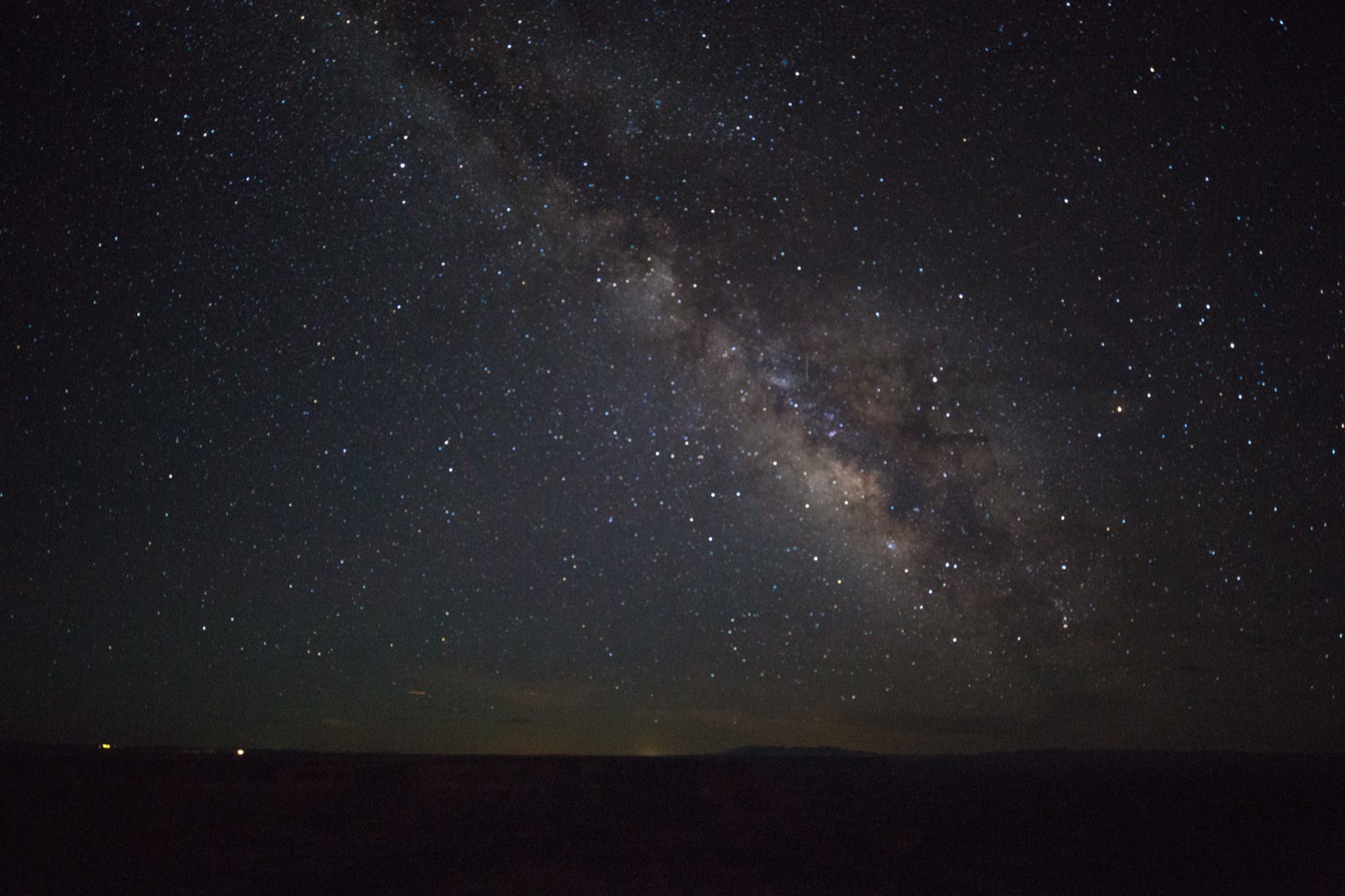
The most convenient truly dark sky in the Moab area: paved road the whole way, a developed campground, and a rim viewpoint 2,000 feet above the Colorado River. The park runs occasional night sky events, and the short drive back to Moab makes it the sensible choice for families based there.
Goblin Valley State Park
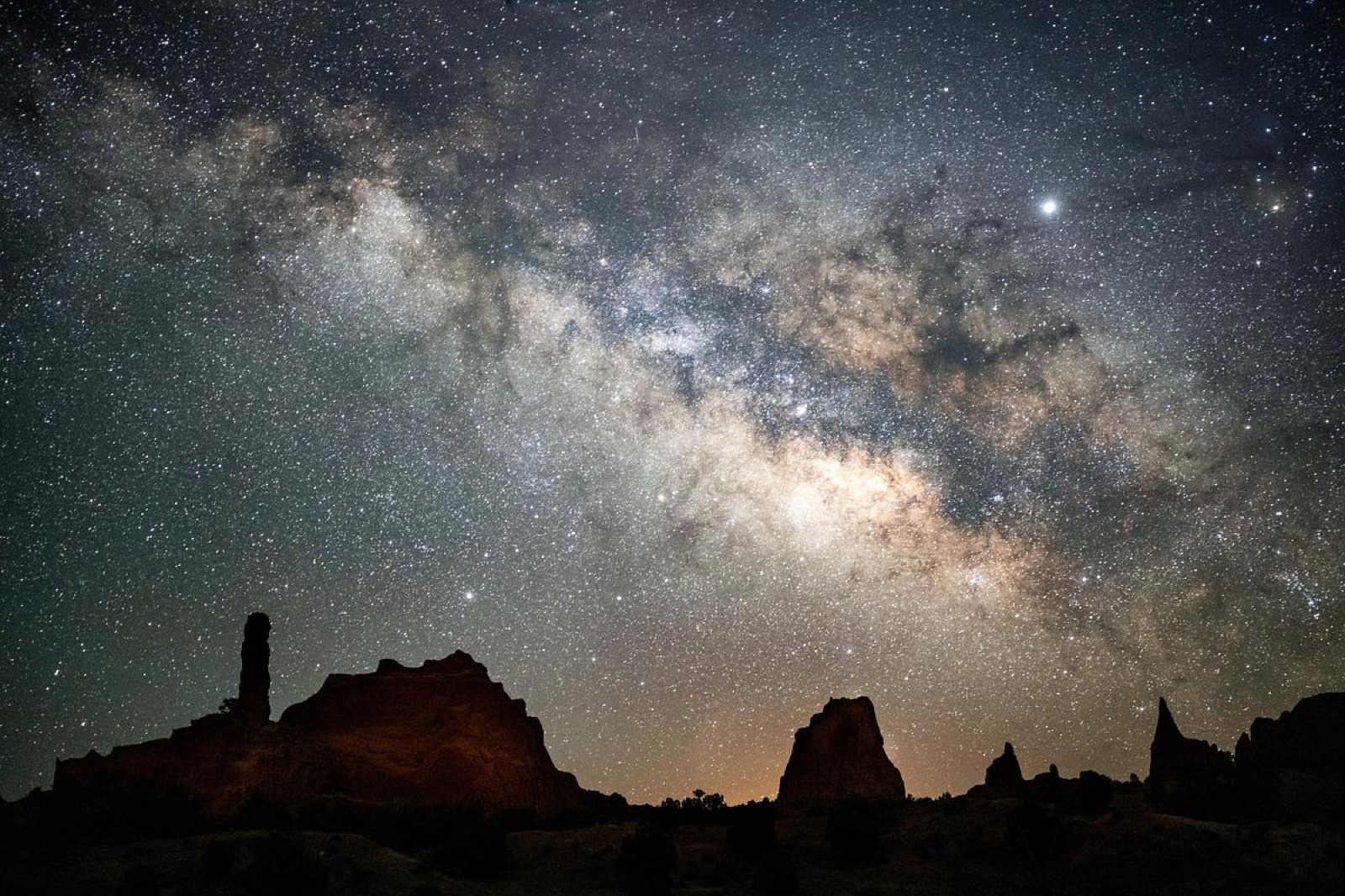
One of the darkest measured state parks anywhere, set in a valley of mushroom-shaped rock goblins that looks genuinely alien by starlight. It's remote — the nearest real town is Green River, 50 minutes away — so this is a camp-overnight destination, not an evening drive. DIY stargazers with a tent and a wide-angle lens love it.
Arches National Park
Certified the same year as Bryce, and the night silhouettes of Balanced Rock and the Windows are unforgettable. It ranks lower because Moab's glow intrudes on the southern horizon, timed-entry logistics complicate night visits in peak season, and night programming is sparse. Go for the arch-against-Milky-Way shot; base your serious observing at Canyonlands or Dead Horse Point.
Antelope Island State Park
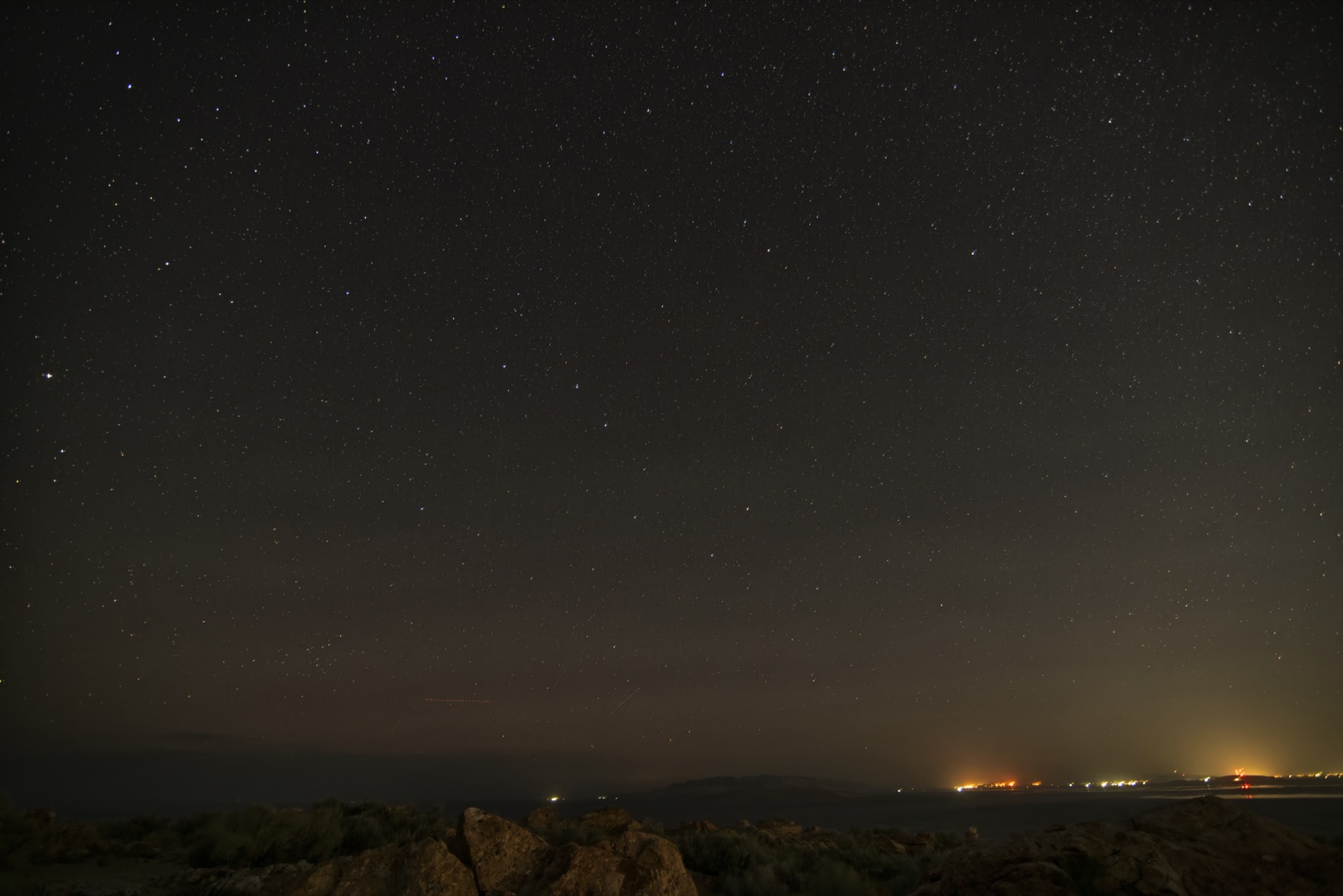
Not remotely as dark as the southern parks — the Wasatch Front glows along the entire eastern horizon — but it's under an hour from Salt Lake City, which makes it the best "tonight, on a whim" option for two million people. Look west over the lake, where the sky stays respectably dark, and catch one of the park's regular star parties.
North Fork Park
A county park in the Ogden Valley and one of the first community parks in the world to earn dark sky certification. The mountains screen much of the Wasatch Front's glow. It's a local treasure and a great proof that certification isn't only for national parks — but you wouldn't fly to Utah for it.
The Honest Bottom Line
If your goal is the absolute darkest measurable sky and you're self-sufficient, drive to Capitol Reef or Goblin Valley. If your goal is the best night of stargazing of your life — telescopes, a guide who can read the sky, and hoodoos under the Milky Way — Bryce Canyon is the clear answer, and it's the only one where booking a professional tour is straightforward. Time it with the stargazing calendar and the new moon using our trip planning guide.
Experience the #1 Park With a Guide
Bryce Canyon Stargazing runs guided telescope tours under Bryce's certified Bortle 2 sky — the experience that put this park at the top of our list.
Book Your Bryce Canyon Tour